

You’ve got your piece of Kenyan paradise. Maybe it’s a plot in Nairobi, a shamba in the Rift Valley, or a beachfront property in Mombasa.
But hold up, before you start picturing your dream home or that thriving business, there’s one crucial thing you gotta handle: land rent.
Think of land rent as the membership fee for owning a piece of Kenya. Ignore it, and you risk losing your land. But handle it right, and you’re one step closer to building your empire.
This guide breaks down everything you need to know about paying land rent in Kenya, so you can do it like a boss. No confusion, no stress, just straight-up action.
Why Pay Land Rent?
First things first, why bother?
- It’s the law: The Lands Act 2012 makes it crystal clear – if you’ve got leasehold land, you pay rent. Simple as that.
- Keep your land: Fail to pay, and the government can repossess your land. That’s a nightmare you don’t want.
- Avoid penalties: Late payments come with penalties and interest. That’s money straight out of your pocket.
- Peace of mind: Knowing your rent is sorted means you can focus on what matters – building your dreams on that land.
Bottom line: Paying land rent is non-negotiable. It’s the price you pay to own a piece of Kenya.
How to Pay Land Rent in Kenya: Your Step-by-Step Guide
Ready to get this done? Here’s your action plan:
1. Get Your Title Deed Ready:
This document is your proof of ownership. It has all the crucial details you’ll need.
2. Head to Ardhisasa:

Ardhisasa (ardhisasa.lands.go.ke) is the Kenyan government’s online platform for land transactions. It’s your one-stop shop for paying land rent.
3. Create an Account (If You Don’t Have One):
Don’t worry, it’s a straightforward process. You’ll need your ID card and a few minutes.
4. Log In and Navigate to Land Rent
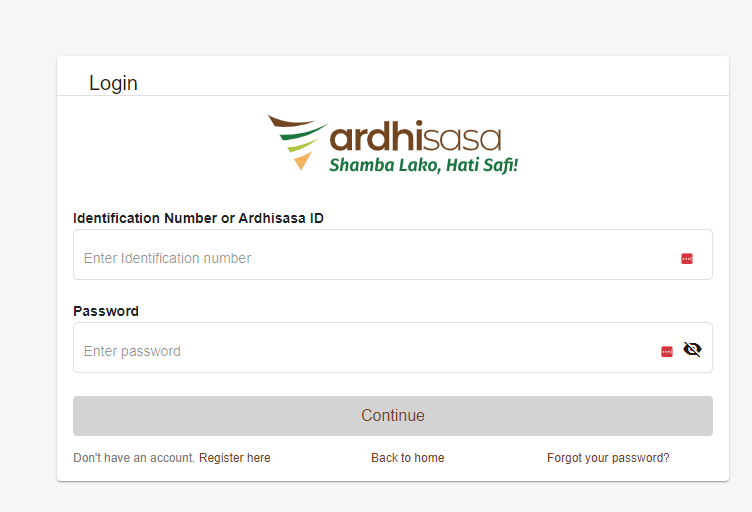
Once you’re in, go to “Services,” then “Land Administration,” and finally, “Land Rent.”
5. Enter Your Title Number:
Make sure you enter it correctly. Any errors can delay your payment.
6. Choose Your Payment Method:
You’ve got options: M-Pesa or bank transfer. Pick what works best for you.
7. Confirm and Pay:
Double-check all the details before hitting that pay button.
8. Keep Your Payment Receipt:
This is your proof of payment. Store it safely.
Pro Tip: Set reminders for your land rent payments. Don’t let them sneak up on you!
Offline Payment Options (If You Must)
While Ardhisasa is the most efficient way to pay, you’ve got some offline options too:
- County Government Cash Office: The old-school way. Expect queues and potential delays.
- Bank Deposit: Deposit directly into the county government’s bank account. Make sure you have the correct account details.
Word of warning: Offline payments can be a hassle. Embrace the digital age and use Ardhisasa.
Understanding Land Rent in Kenya: What You Need to Know
Let’s get into the nitty-gritty of land rent:
- Leasehold Land: In Kenya, most land is leasehold. You essentially “rent” the land from the government for a set period (usually 99 years).
- Annual Payment: Land rent is due every year. Don’t miss your deadlines!
- Varying Rates: The amount you pay depends on factors like the size and location of your land.
Key takeaway: Land rent is an ongoing commitment. Factor it into your budget and stay on top of your payments.
Land Rates vs. Land Rent in Kenya: Know the Difference (And Why It Matters)
Think land rates and land rent are the same?
Think again.
These two payments are crucial for any landowner in Kenya, but they’re distinct beasts with different purposes.
Confusing them can lead to missed payments, penalties, and even jeopardize your land ownership.
This guide breaks down the key differences between land rates and land rent in Kenya, so you can stay informed and keep your land secure.
Land Rent (Your Membership Fee for Owning Land)
Think of land rent as the fee you pay to the government for the privilege of owning a piece of Kenya. It’s like a membership fee for your leasehold land.
- Who Pays It: Anyone with leasehold land in Kenya.
- Who Receives It: The National Government of Kenya.
- When to Pay: Annually.
- Why Pay It: It’s the law! Failing to pay can lead to land repossession.
- How to Pay: Primarily through the Ardhisasa platform, with offline options available.
Key takeaway: Land rent is a non-negotiable cost of land ownership in Kenya. Pay it on time, every time, to keep your land secure.
Land Rates (Your Contribution to Local Development)
Land rates are taxes levied by your county government. They fund essential services like roads, garbage collection, and other infrastructure projects in your area.
- Who Pays It: Landowners within a specific county.
- Who Receives It: Your County Government.
- When to Pay: Annually.
- Why Pay It: To support local development and service delivery.
- How to Pay: Varies by county, but typically includes online and offline options.
Key takeaway: Land rates are your contribution to making your community a better place. Pay them to support local development and enjoy improved services.
Land Rates vs. Land Rent
Still a bit fuzzy? Here’s a table to clarify the key differences:
| Feature | Land Rent | Land Rates |
|---|---|---|
| Paid to | National Government | County Government |
| Purpose | Secure land ownership | Fund local services and development |
| Legal Basis | Lands Act 2012 | County Government Act |
| Payment Method | Ardhisasa, County offices, Bank deposit | Varies by county |
Why It’s Crucial to Know the Difference
Mixing up land rates and land rent can have serious consequences:
- Missed Payments: Paying the wrong amount or to the wrong entity can lead to penalties and interest.
- Land Repossession: Failing to pay land rent can ultimately result in losing your land.
- Legal Trouble: Non-payment of land rates can also lead to legal issues and fines.
Bottom line: Understanding the difference between land rates and land rent is essential for responsible land ownership in Kenya.
Tips for Staying on Top of Your Payments
Don’t let land rent and land rates payments sneak up on you. Here’s how to stay organized:
- Mark Your Calendar: Set reminders for both land rent and land rates payment deadlines.
- Use Ardhisasa: The Ardhisasa platform makes it easy to pay land rent online.7
- Check County Websites: Visit your county government’s website for information on land rates payment methods.
- Keep Records: Always keep records of your payments for both land rent and land rates.
Pro Tip: Consider setting up automatic payments where possible to avoid missed deadlines.
Troubleshooting Land Rent Payments
Hit a snag? Here are some common issues and how to solve them:
- Incorrect Title Number: Double-check your title deed. Even a small mistake can cause problems.
- Payment Errors: Contact your bank or mobile money provider if you encounter any payment issues.
- Ardhisasa Glitches: The platform can sometimes experience technical issues. Try again later or contact the Ardhisasa support team.
Remember: Don’t panic. Most issues can be resolved with a little patience and persistence.
Beyond Land Rent: Other Land-Related Costs
Land rent isn’t the only cost you’ll encounter. Be prepared for:
- Land Rates: These are annual taxes paid to your county government.
- Stamp Duty: A tax paid when you buy land.
- Legal Fees: You’ll likely need a lawyer for land transactions.
Pro Tip: Factor these costs into your budget when acquiring land.
How To Maximize Your Land Investment
Now that you’ve got a handle on land rent, let’s talk about making the most of your investment:
- Develop Your Land: Build that dream home, start that business, or cultivate your farm. Don’t let your land sit idle.
- Land Appreciation: Land value generally appreciates over time. Your investment can grow significantly.
- Generate Income: Rent out your land, lease it to farmers, or explore other income-generating opportunities.
Bottom line: Land is a valuable asset. Treat it as such and reap the rewards.
Resources and Tools
Here are some resources to help you navigate land ownership in Kenya:
- Ardhisasa Website: Your go-to source for land information and transactions.
- Kenya Revenue Authority (KRA): For information on land taxation.
- Ministry of Lands and Physical Planning: The government body responsible for land matters.
Pro Tip: Stay informed about land regulations and policies. Knowledge is power.
Invest with Mursons
Call us on 0769 12 44 44/ 0769 12 88 88
Email: info@mursonsrealtors.co.ke
https://www.mursonsrealtors.co.ke
Visit our social media site and leave a comment, like, and follow.
Conclusion
Paying land rent in Kenya doesn’t have to be a headache.
In fact, with the right information and tools, you can handle it like a boss.
Remember, owning land is a privilege and a responsibility.
Read also:


