

So, you’re thinking about buying land in Kenya. Awesome! But hold your horses. Before you throw your money around, you NEED to understand the difference between an allotment letter and a title deed.
Why?
Because one gives you actual ownership, and the other… well, it’s basically just a promise. And trust me, you don’t want to end up in a legal battle because you didn’t do your homework.
This isn’t some boring legal jargon, folks. This is about protecting your hard-earned cash and making sure you actually own what you think you’re buying.
What the Heck is an Allotment Letter?
An allotment letter is like a reservation. It’s a document from the government or a landowner saying, “Hey, we’re setting aside this piece of land for you.”
Think of it like this: You go to a restaurant and put your name on the waiting list. You get a little slip of paper confirming your spot. That’s your allotment letter.
But here’s the catch: Just because you’re on the list doesn’t mean you’re eating yet. You still have to wait your turn, and there’s no guarantee you’ll get a table.
Same with land: An allotment letter doesn’t mean you own the land. It just means you’re in line to potentially own it if you meet certain conditions.
Here’s what an allotment letter usually includes:
- Location of the land
- Size of the plot
- Any conditions you need to meet (like paying fees)
Sounds good, right? Not so fast.
The problem is, an allotment letter by itself doesn’t give you legal ownership. It’s like having a ticket to a concert that might get canceled.
Your Golden Ticket to Ownership (aka The Title Deed)
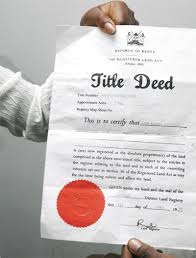
Now, the title deed is the real deal.
It’s the document that proves you actually own the land.
Think of it as the keys to your new kingdom.
With a title deed, you can:
- Build on the land
- Sell the land
- Lease the land
- Use it as collateral for a loan
Basically, you’re the boss.
Here’s the difference: Imagine you’re at that same restaurant, but this time, you’re already sitting at your table, enjoying your meal. That’s what it’s like to have a title deed. You’re in, you’re secure, and you’re ready to go.
To get a title deed, you usually need to:
- Have an allotment letter
- Pay any required fees
- Fulfill any other conditions (like building a house within a certain timeframe)
This process can take time and effort, but it’s worth it.
Why This Matters
Think this is all just legal mumbo jumbo?
Think again.
People get burned all the time because they don’t understand this stuff.
Here’s a horror story:
A guy buys land with just an allotment letter. He builds a house, starts a family, the whole nine yards. Then, years later, someone shows up with a title deed for the same land. Turns out, the original seller didn’t have the right to sell it in the first place.
The result? Our guy loses his home, his investment, and probably his mind.
Don’t let this happen to you.
How to Protect Yourself: Actionable Steps
- Always, always, ALWAYS get a title deed. Don’t fall for the “it’s coming soon” line. No title deed, no deal.
- Do your due diligence. Hire a lawyer to verify the title deed is legitimate. It’s worth the extra cost for peace of mind.
- Don’t cut corners. The process of getting a title deed can be a pain, but it’s crucial. Follow the proper procedures and don’t try to skip steps.
Think of it like this: You wouldn’t buy a car without checking the engine, right? Same goes for land. Make sure it’s the real deal before you hand over your money.
Extra Layers of Protection
Okay, so you’ve got your title deed. Awesome! But here are a few more things to keep in mind:
- Land registration: Make sure the land is registered with the relevant authorities. This adds another layer of security.
- Beware of scams: Unfortunately, land fraud is a real problem in Kenya. Be wary of deals that seem too good to be true.
- Get everything in writing: Don’t rely on verbal agreements. Make sure all the terms of the sale are clearly documented.
Remember: Buying land is a big investment. Protect yourself by being informed and taking the necessary precautions.
Read also: Is Allotment Letter in Kenya a Legal Document in Kenya? (Truth)
Don’t Be a Statistic
The difference between an allotment letter and a title deed is HUGE. One is a maybe, the other is a guarantee.
Don’t get caught slipping. Do your research, get professional advice, and make sure you’re getting what you pay for.
This is your future we’re talking about.
Don’t leave it to chance.
Invest with Mursons
Call us on 0769 12 44 44/ 0769 12 88 88
Email: info@mursonsrealtors.co.ke
https://www.mursonsrealtors.co.ke
Visit our social media site and leave a comment, like, and follow.
Read also:


