


Imagine this: you come home to find an eviction notice slapped on your door, your landlord demanding double the rent next month.
Sounds like a nightmare, right?
Well, for many Kenyans, this is a harsh reality.
But fear not, the Rent Restriction Act is here to save the day!
This Act is a crucial piece of legislation that protects tenants from unfair practices, especially those living in lower-rent properties.
So, grab a seat, make yourself comfortable, and let’s explore the ins and outs of the Rent Restriction Act in Kenya.
What is the Rent Restriction Act in Kenya?
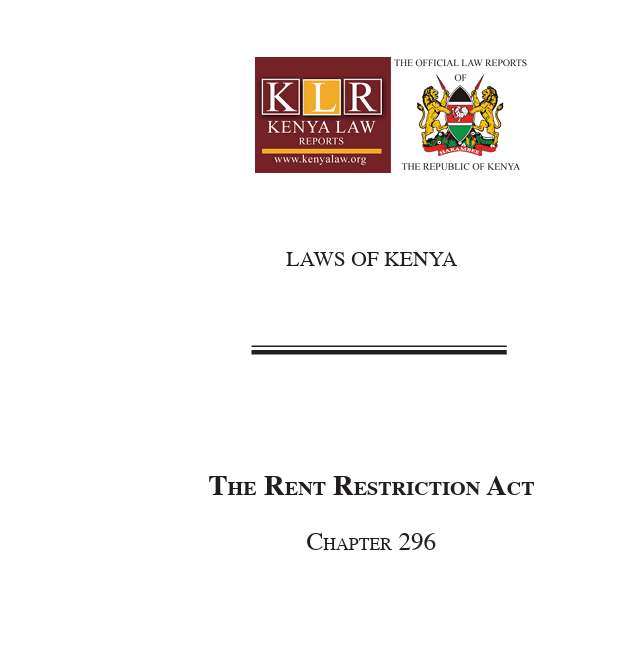
The Rent Restriction Act is like a shield for tenants, protecting them from unreasonable rent hikes, sudden evictions, and landlords who demand premiums just to give you a roof over your head.
It aims to create a fair and balanced relationship between landlords and tenants, ensuring everyone has access to safe and stable housing, as enshrined in the Kenyan Constitution.
Now, you might be wondering, “Does this apply to all rental properties?” Not quite.
The Act mainly focuses on “controlled tenancies,” which are typically residential properties with a monthly rent of 2,500 Kenyan shillings or less.
It also defines “standard rent” as the rent at which premises were let on 1st January 1981. For properties built after that date, the rent is assessed by the Rent Tribunal.
But wait, there’s more! The Rent Restriction Act isn’t alone in governing tenant-landlord relationships.
The Landlord and Tenant (Shops, Hotels and Catering Establishments) Act (Cap 301) also plays a role, specifically for commercial properties.
This Act protects tenants from exploitation and unfair eviction, requiring landlords to provide a two-month termination notice.
However, both the Rent Restriction Act and the Landlord and Tenant (Shops, Hotels and Catering Establishments) Act are set to be replaced by the new Landlord and Tenant Bill of 2021, which we’ll discuss later.
What are the Key Provisions of the Rent Restriction Act?
The Rent Restriction Act has some strong provisions to safeguard tenants’ rights. Here’s a breakdown of the key areas it covers:
- Rent Increases: Landlords can’t arbitrarily increase your rent. They need to follow a specific process, provide a valid reason, and give you at least one month’s notice.
- Eviction: No more fear of being thrown out in the middle of the night! Landlords must adhere to legal procedures for eviction, and the Rent Restriction Tribunal can intervene to prevent unlawful evictions.
- Premiums: Forget about those hefty “key money” demands! Landlords are prohibited from requiring extra payments just to secure a tenancy.
- Standard Rents: The Act helps determine a “fair rent” for properties under its jurisdiction, ensuring landlords don’t overcharge tenants.
What is the Current Status of the Rent Restriction Act?
The Rent Restriction Act, while noble in its intentions, faces a significant challenge: it’s outdated.
The rent limit of 2,500 shillings, set decades ago, no longer reflects the current economic realities in Kenya. This means the Act only covers a small portion of the rental market, leaving many tenants vulnerable to exploitation.
This low rent limit also has potential implications for the housing market. It might discourage landlords from renting out properties due to limited returns, potentially leading to a shortage of affordable housing.
Recognizing these limitations, there are ongoing discussions and calls to update the Act to better address the needs of both tenants and landlords in today’s Kenya.
Grounds for Termination of Tenancy under the Current Law
Under the Landlord and Tenant (Shops, Hotels and Catering Establishments) Act, landlords can terminate a tenancy for specific reasons, including:
- Failure to comply with repair and maintenance obligations.
- Defaulting on rent payments for two months.
- Breaching obligations related to the use or management of the premises.
- Providing alternative accommodation that meets the tenant’s needs.
- Requiring the premises for demolition, reconstruction, or substantial construction work.
- Intending to occupy the premises for their own business or residence.
It’s important to note that these grounds for termination might be revised under the proposed Landlord and Tenant Bill.
Distress for Rent
The Distress for Rent Act in Kenya allows landlords to seize a tenant’s belongings to recover unpaid rent. This can be a stressful experience for tenants, especially those facing financial difficulties. The law requires landlords to use licensed auctioneers for this process, ensuring some level of oversight.
However, the proposed Landlord and Tenant Bill aims to change this. It proposes that landlords must obtain a court order before distraining for rent, providing tenants with greater protection against unfair seizures.
What are the Recent Amendments or Proposed Amendments to the Rent Restriction Act?
The biggest development in the Kenyan rental landscape is the proposed Landlord and Tenant Bill of 2021. This Bill seeks to revamp the existing laws governing rental properties, replacing the Rent Restriction Act, the Distress for Rent Act, and the Landlord and Tenant (Shops, Hotels and Catering Establishments) Act.
Here are some of the key changes proposed in the Bill:
- New Tribunals: The Chief Justice will be responsible for establishing tribunals to handle landlord-tenant disputes, potentially streamlining the process and making it more efficient.
- Rent Increases: Landlords will be required to give tenants a 90-day notice before increasing rent. They can only increase rent once a year for residential properties and once every two years for business properties.
- Termination of Tenancy: The Bill outlines clearer procedures for terminating tenancy agreements, providing more certainty for both landlords and tenants.
- Distress for Rent: Landlords will need to obtain a court order before seizing a tenant’s belongings for unpaid rent, offering greater protection for tenants.
This Bill, while still under discussion, has the potential to significantly reshape the rental sector in Kenya. It aims to create a more balanced and transparent system that protects both landlords and tenants. For landlords, it could provide more clarity and stability, potentially encouraging investment in the rental market.
What are the Implications of the Rent Restriction Act for the Future of Housing in Kenya?
The Rent Restriction Act, despite its limitations, plays a vital role in protecting vulnerable tenants from exploitation. However, it’s clear that an update is needed to keep pace with the changing times.
The proposed Landlord and Tenant Bill offers a potential solution, aiming to modernize the rental sector and create a more balanced system. It seeks to address the shortcomings of the current Act while providing a framework that promotes fairness and stability in the rental market.
However, it’s important to consider the potential impact of rent control measures on the housing market. Some argue that such measures can discourage investment in housing, leading to a shortage of rental properties. Finding the right balance between tenant protection and a thriving rental market is crucial for the future of housing in Kenya.
LOOKING TO BUY PROPERTY?
Check Our Latest Listings in Your Area
Conclusion
The Rent Restriction Act and the proposed Landlord and Tenant Bill are critical pieces of legislation that shape the rental industry in Kenya.
While the current Act provides crucial protection for tenants, it’s outdated and needs revision.
The proposed Bill offers a potential solution, aiming to modernize the rental sector and create a more balanced system.
However, it’s essential to approach this issue with a nuanced perspective, considering the needs of both tenants and landlords.
Striking a balance between tenant protection and landlord rights is crucial for a healthy and sustainable housing market in Kenya.
As the discussions continue and the Bill progresses, all stakeholders need to stay informed and engage in constructive dialogue to shape the future of housing in Kenya.
Invest with Mursons
Call us on 0769 12 44 44/ 0769 12 88 88
Email: info@mursonsrealtors.co.ke
https://www.mursonsrealtors.co.ke
Visit our social media site and leave a comment, like, and follow.
You can read the Act here.
Read also:


